
Your Cart is Currently Empty: £0.00
What Is Whey Protein? A Complete Beginner’s Guide
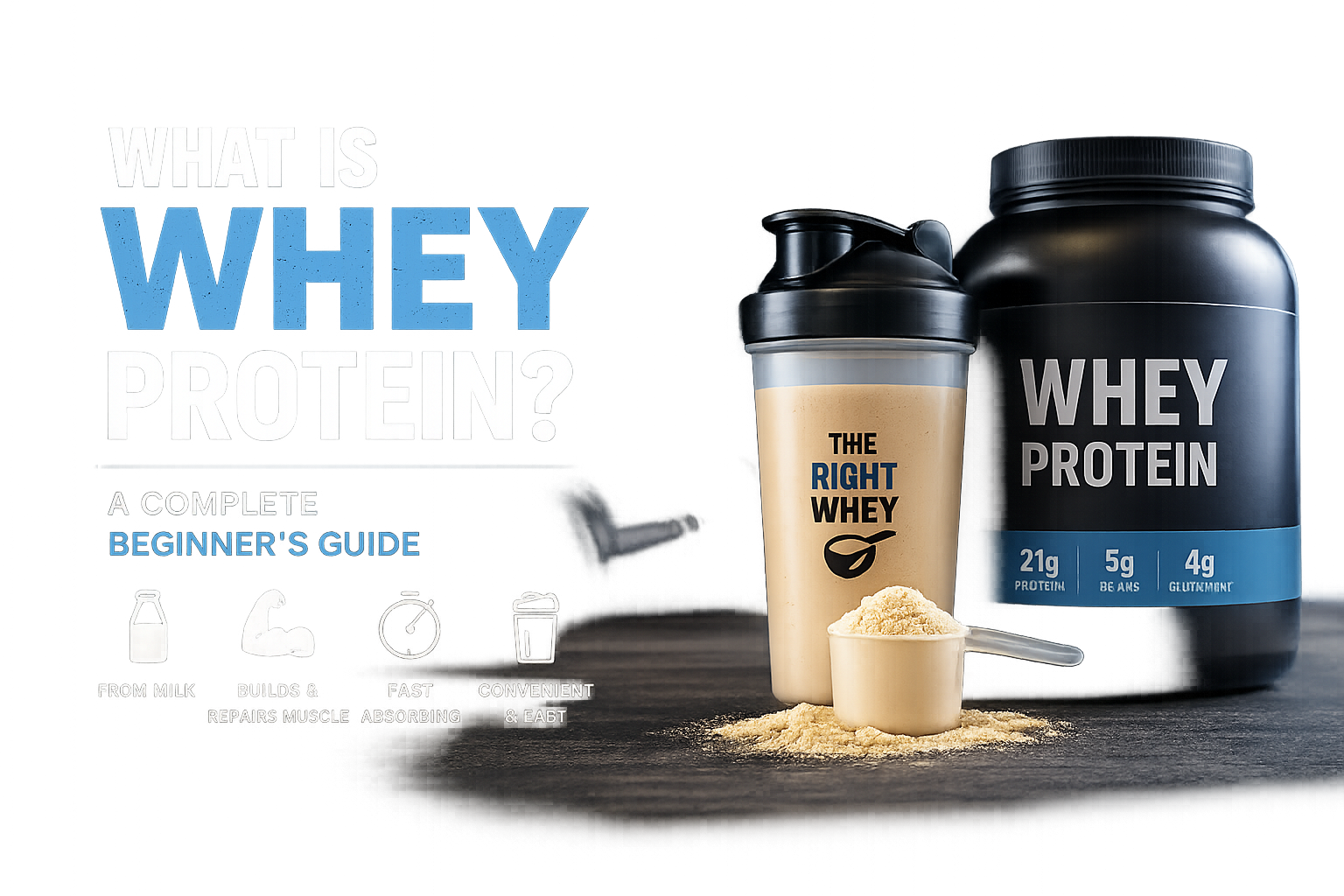
What Is Whey Protein? A Complete Beginner’s Guide
If you’ve ever stepped foot in a gym, browsed a supplement website, or watched a fitness video online, you’ve probably heard of whey protein.
It’s one of the most popular supplements in the world and is used by everyone from professional athletes to people simply looking to improve their overall nutrition.
But what exactly is whey protein, how is it made, and do you actually need it?
In this complete guide, we’ll break down everything you need to know about whey protein, including its benefits, potential drawbacks, and how to choose the right product for your goals.
What Is Whey Protein?
Whey protein is a high-quality protein that comes from milk.
When milk is used to make cheese, it separates into two proteins:
- Casein (around 80%)
- Whey (around 20%)
The liquid whey portion is collected, filtered, and dried into a powder that can be mixed with water, milk, or added to foods and recipes.
The result is a convenient source of complete protein that contains all nine essential amino acids your body needs.
Why Is Protein Important?
Protein is one of the three main macronutrients, alongside carbohydrates and fats.
Your body uses protein to:
- Build and repair muscle tissue
- Support recovery after exercise
- Produce enzymes and hormones
- Maintain healthy skin, hair, and nails
- Support immune function
- Help keep you feeling full after meals
Without adequate protein intake, it becomes harder to recover from exercise and maintain muscle mass.
Why Is Whey Protein So Popular?
Fast Absorbing
Compared to many other protein sources, whey is digested and absorbed quickly by the body. This makes it a convenient option after workouts when your muscles need amino acids to begin the recovery process.
High in Essential Amino Acids
Whey contains all nine essential amino acids. These amino acids cannot be produced by the body and must be obtained through food or supplements.
Rich in Leucine
Leucine is one of the key amino acids responsible for stimulating muscle protein synthesis. In simple terms, leucine helps trigger the muscle-building and repair process. Whey protein naturally contains high levels of leucine compared to many other protein sources.
Convenient
Preparing a chicken breast takes time. Mixing a scoop of whey protein with water takes seconds. For busy people trying to increase their protein intake, convenience is often the biggest benefit.
How Is Whey Protein Made?
The process begins during cheese production:
- Milk is heated and enzymes are added
- The milk separates into curds and liquid whey
- The liquid whey is collected
- The whey is filtered to remove fats and carbohydrates
- The remaining protein-rich liquid is dried into powder
Different levels of filtration create different types of whey protein.
Types of Whey Protein
Not all whey protein is the same. There are three main categories.
Whey Protein Concentrate
This is the most common type found in sports supplements.
Typically contains:
- 70–80% protein
- Small amounts of fat
- Small amounts of carbohydrates and lactose
Benefits:
- Affordable
- Great flavour
- Widely available
For most people, whey concentrate offers the best balance between performance and value.
Whey Protein Isolate
Whey isolate undergoes additional filtration.
Typically contains:
- 90%+ protein
- Very low fat
- Very low carbohydrates
- Lower lactose content
Benefits:
- Higher protein percentage
- Easier for some people to digest
- Fewer calories per serving
The downside is that it is usually more expensive.
Whey Protein Hydrolysate
Hydrolysed whey is partially broken down into smaller protein fragments.
Benefits:
- Rapid absorption
- Easier digestion for some users
Drawbacks:
- Higher price
- Often less pleasant taste
Hydrolysed whey is generally used by athletes or people seeking specialised products.
Does Whey Protein Build Muscle?
Whey protein itself does not magically build muscle. Muscle growth occurs when you:
- Perform resistance training
- Consume enough calories
- Eat sufficient protein
- Recover properly
Whey protein simply makes it easier to reach your daily protein target. When combined with a structured training programme, it can support muscle growth and recovery.
How Much Protein Do You Need?
Protein requirements vary based on activity levels and goals.
| Goal | Daily Protein Target |
|---|---|
| General health | 0.8g per kg of bodyweight |
| Recreational gym-goers | 1.4–1.8g per kg |
| Muscle building | 1.6–2.2g per kg |
| Fat loss | 1.8–2.4g per kg |
For example, an 80kg person aiming to build muscle may target between 128g and 176g of protein per day.
Is Whey Protein Safe?
For healthy adults, whey protein is considered safe and is one of the most extensively researched sports supplements available.
Myth: Whey Protein Damages Your Kidneys
Research shows that healthy individuals can safely consume high-protein diets without damaging kidney function. People with existing kidney disease should seek medical advice before increasing protein intake.
Myth: Whey Protein Is a Steroid
Whey protein is not a steroid. It is simply a food supplement derived from milk.
Myth: You Only Need Protein After Workouts
While post-workout protein can be useful, total daily protein intake is generally more important than exact timing.
Who Should Use Whey Protein?
Whey protein may be useful for:
- Gym-goers
- Athletes
- Runners
- Cyclists
- Busy professionals
- People struggling to eat enough protein
- Older adults looking to maintain muscle mass
It is not essential, but it can be a practical nutritional tool.
Potential Downsides of Whey Protein
Lactose Sensitivity
Some whey concentrates contain lactose, which may cause digestive discomfort in sensitive individuals. Whey isolate often contains much lower levels.
Cost
While cheaper than many protein-rich foods on a per-serving basis, protein powder is still an additional expense.
Over-Reliance
Supplements should complement a healthy diet, not replace whole-food protein sources entirely.
Whey Protein vs Food
A common question is whether whey protein is better than food. The answer is no.
Foods such as:
- Chicken
- Fish
- Eggs
- Greek yoghurt
- Lean beef
provide protein alongside vitamins, minerals, and other nutrients. Whey protein is best viewed as a convenient supplement rather than a replacement for whole foods.
How To Choose the Best Whey Protein
When comparing products, consider:
- Protein content per serving
- Cost per serving
- Independent reviews
- Ingredient quality
- Flavour options
- Mixability
- Value for money
Many consumers focus solely on bag price, but comparing cost per gram of protein often provides a better indication of value.
Final Verdict
Whey protein is one of the most effective, affordable, and convenient ways to increase your daily protein intake.
Derived from milk and packed with essential amino acids, it can support muscle growth, exercise recovery, and overall nutrition when used alongside a balanced diet and regular training.
For most people, whey protein concentrate provides the best combination of quality, taste, and value. However, those looking for higher protein percentages or lower lactose content may prefer whey isolate.
The most important factor isn’t finding the most expensive protein powder — it’s finding a product that helps you consistently hit your daily protein targets.
At The Right Whey, we compare whey protein products from leading UK supplement brands to help you find the best value for your goals and budget.
Compare Whey Proteins at The Right Whey →