
Your Cart is Currently Empty: £0.00
What Is Pre-Workout? A Complete Beginner’s Guide
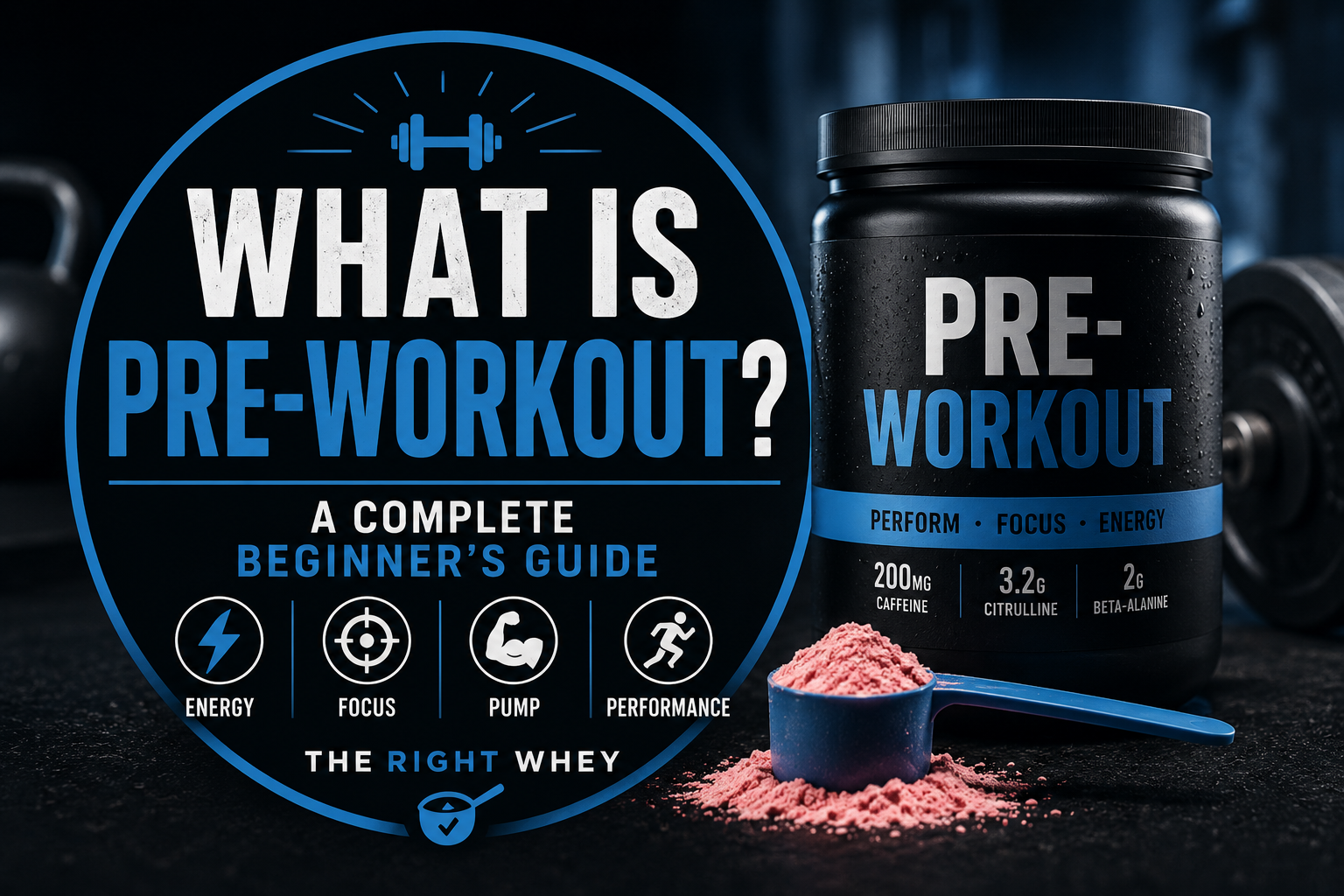
What Is Pre-Workout? A Complete Beginner’s Guide
If you’ve ever been to the gym, you’ve probably seen someone mixing a brightly coloured drink just before training.
Chances are, they’re drinking pre-workout.
Pre-workout is one of the most popular sports supplements on the market, designed to help increase energy, improve focus, and enhance exercise performance.
But what exactly is pre-workout, how does it work, and is it worth taking?
In this complete beginner’s guide, we’ll explain everything you need to know about pre-workout supplements, including how they work, the ingredients they contain, their benefits, potential side effects, and how to choose the right product.
What Is Pre-Workout?
Pre-workout is a dietary supplement designed to improve physical and mental performance before exercise.
Unlike protein powder or creatine, pre-workout isn’t a single ingredient. Instead, it’s usually a blend of several ingredients that work together to help you train harder, maintain focus, and reduce fatigue during your workout.
Most people take pre-workout around 20–30 minutes before exercising.
How Does Pre-Workout Work?
The exact effects depend on the formula, but most pre-workouts work by increasing alertness, improving blood flow, and helping your muscles perform at a higher intensity.
Many ingredients target different aspects of performance — some increase energy, others improve endurance, and some help produce the well-known “pump” during weight training.
What’s Inside a Typical Pre-Workout?
Every brand uses its own formula, but most quality pre-workouts contain a combination of the following ingredients.
Caffeine
Caffeine is usually the main active ingredient. It works by stimulating the central nervous system, helping you feel more awake and focused. Most pre-workouts contain anywhere between 150mg and 350mg of caffeine per serving.
Potential benefits:
- Increased energy
- Better concentration
- Reduced perception of fatigue
- Improved athletic performance
Beta-Alanine
Beta-alanine is responsible for the tingling sensation that many people experience after drinking pre-workout. It helps increase levels of carnosine in the muscles, which may improve performance during high-intensity exercise. The tingling feeling is completely harmless and usually disappears within 30 minutes.
Citrulline Malate
Citrulline helps increase nitric oxide production, improving blood flow to working muscles. Many people consider citrulline one of the most important ingredients in a quality pre-workout.
- Better muscle pumps
- Improved endurance
- Increased nutrient delivery
Creatine
Some pre-workouts include creatine monohydrate, which helps regenerate ATP — your body’s primary energy source during short, intense exercise. However, many people choose to take creatine separately to ensure they receive a consistent daily dose.
Electrolytes
Sodium, potassium and magnesium are sometimes added to support hydration, particularly during long or intense training sessions.
What Are the Benefits of Pre-Workout?
Increased Energy
The biggest reason people use pre-workout is for an energy boost before training. This can be especially useful for early morning workouts or after a long day at work.
Improved Focus
Many formulas include ingredients that help improve mental concentration, allowing you to stay focused throughout your workout and maintain better exercise intensity.
Better Performance
Pre-workout won’t magically make you stronger overnight. However, by helping you train harder and maintain intensity, it may contribute to better long-term results.
Enhanced Muscle Pump
Ingredients like citrulline increase blood flow to muscles. Many lifters enjoy the fuller feeling this creates during resistance training.
Reduced Fatigue
Several ingredients may help delay fatigue during demanding workouts, allowing you to complete more sets or repetitions.
Does Pre-Workout Build Muscle?
No. Pre-workout itself does not build muscle. Muscle growth comes from:
- Progressive overload
- Adequate protein intake
- Proper recovery
- Consistent training
Pre-workout simply helps create better training sessions, which may indirectly support muscle growth over time.
Is Pre-Workout Safe?
For most healthy adults, pre-workout supplements are generally safe when taken according to the manufacturer’s instructions. However, many products contain high levels of caffeine, so people who are sensitive to stimulants should start with a smaller serving to assess their tolerance.
Anyone with medical conditions or concerns should speak to a healthcare professional before using sports supplements.
Common Side Effects
Some users experience:
- Tingling skin (beta-alanine)
- Increased heart rate
- Jitters
- Difficulty sleeping if taken late in the day
- Mild stomach discomfort
Most side effects are temporary and can often be reduced by lowering the serving size.
Stim vs Stim-Free Pre-Workout
Not every pre-workout contains caffeine. Here’s how they compare:
| Type | Contains Caffeine? | Best For |
|---|---|---|
| Stim Pre-Workout | Yes | Morning workouts, heavy lifting, extra energy |
| Stim-Free Pre-Workout | No | Evening workouts, caffeine sensitivity, high coffee drinkers |
When Should You Take Pre-Workout?
Most people take pre-workout around 20 to 30 minutes before training. This allows enough time for ingredients like caffeine to begin taking effect. Avoid taking high-stimulant products close to bedtime, as they may affect sleep quality.
Who Should Use Pre-Workout?
Pre-workout may be useful for:
- Weightlifters
- Bodybuilders
- CrossFit athletes
- Runners
- Team sport athletes
- Busy professionals training after work
Who Should Avoid It?
Pre-workout may not be suitable for:
- Children
- Pregnant or breastfeeding women
- People with uncontrolled high blood pressure
- Individuals who are highly sensitive to caffeine
Always read the product label before use.
How To Choose the Best Pre-Workout
When comparing products, consider:
- Caffeine content
- Ingredient transparency
- Clinically effective dosages
- Cost per serving
- Independent customer reviews
- Value for money
Avoid products that rely heavily on proprietary blends, as these don’t always disclose the exact amount of each ingredient.
Frequently Asked Questions
Can beginners take pre-workout?
Yes. Beginners should start with half a serving to assess tolerance before increasing to a full serving.
Can I take pre-workout every day?
Many people do, but it’s worth monitoring your total daily caffeine intake and taking occasional breaks if you find your tolerance increasing.
Can I mix pre-workout with creatine?
Yes. Creatine and pre-workout serve different purposes and are commonly used together.
Is pre-workout better than coffee?
Coffee provides caffeine, but pre-workout usually includes additional ingredients such as citrulline, beta-alanine and electrolytes that may support exercise performance beyond what caffeine alone provides.
Final Verdict
Pre-workout is designed to help improve energy, focus and exercise performance before training. While it won’t replace consistent training, good nutrition and adequate recovery, it can be a useful tool for helping you get more out of your workouts.
For most people, choosing a transparent, well-formulated pre-workout with clinically supported ingredients offers the best balance of performance and value.
At The Right Whey, we compare pre-workout supplements from leading UK brands to help you find the best products at the lowest prices.
Compare Pre-Workouts at The Right Whey →