Your Cart is Currently Empty: £0.00
How Much Protein Do You Need? The Complete Science-Backed Guide
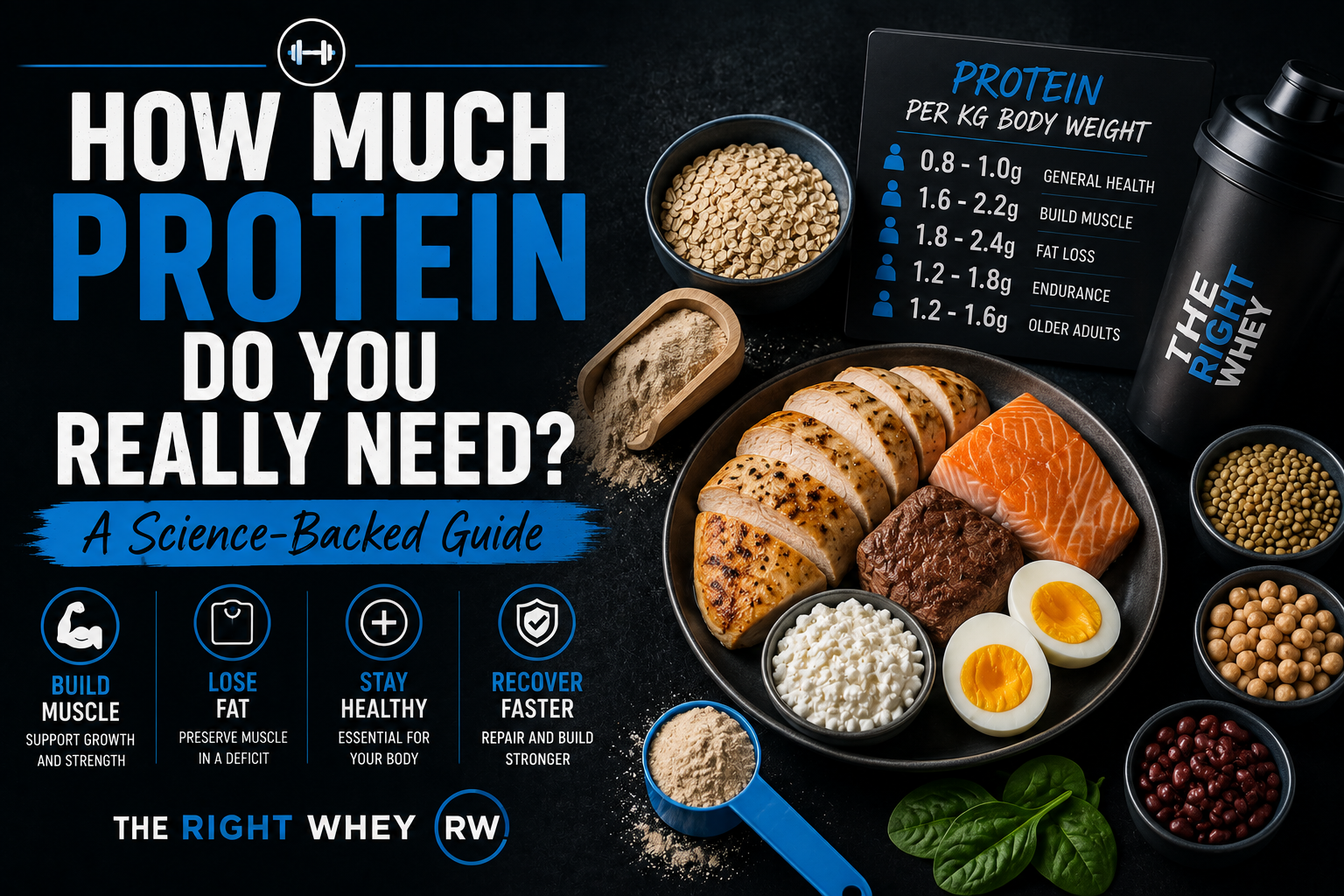
How Much Protein Do You Really Need? A Science-Backed Guide
Protein is one of the most talked-about nutrients in fitness and nutrition.
Some people believe everyone should eat huge amounts of protein, while others think most people are already getting enough.
So who’s right?
The truth is that your ideal protein intake depends on your age, body weight, activity level and goals. Someone training for a marathon has different nutritional needs from someone trying to build muscle or lose body fat.
In this guide, we’ll explain how much protein you actually need, why it matters, and how to make sure you’re getting enough without overcomplicating your diet.
What Is Protein?
Protein is one of the three essential macronutrients, alongside carbohydrates and fats. It’s made up of smaller building blocks called amino acids, which your body uses to build and repair tissues.
Protein plays a vital role in:
- Building muscle
- Repairing damaged tissue
- Producing enzymes and hormones
- Supporting the immune system
- Maintaining healthy skin, hair and nails
Unlike carbohydrates and fat, your body doesn’t store large amounts of protein for future use, so consuming enough each day is important.
Why Is Protein So Important?
Whenever you exercise — especially resistance training — tiny tears occur in your muscle fibres. Protein provides the amino acids needed to repair these fibres, allowing muscles to recover and adapt over time.
Protein also helps:
- Preserve muscle while dieting
- Support recovery after exercise
- Keep you feeling fuller between meals
- Maintain strength as you age
How Much Protein Does the Average Adult Need?
For general health, the UK Reference Nutrient Intake (RNI) is around 0.75 grams of protein per kilogram of body weight per day. Here’s what that looks like in practice:
| Body Weight | Daily Protein Target |
|---|---|
| 60kg | 45g |
| 70kg | 53g |
| 80kg | 60g |
| 90kg | 68g |
This amount is enough to prevent deficiency in most healthy adults. However, it isn’t necessarily the optimal amount for people who exercise regularly.
Protein Recommendations Based on Your Goals
| Goal | Daily Protein Target |
|---|---|
| General health | 0.8–1.0g per kg |
| Building muscle | 1.6–2.2g per kg |
| Fat loss | 1.8–2.4g per kg |
| Endurance athletes | 1.2–1.8g per kg |
| Older adults | 1.2–1.6g per kg |
For someone weighing 80kg aiming to build muscle, that means targeting between 128–176g of protein per day.
Can You Eat Too Much Protein?
For healthy individuals, there is little evidence that high-protein diets harm the kidneys. Most concerns arise from people with existing kidney disease, who should follow medical advice regarding protein intake.
As with any nutrient, balance is important. Extremely high protein intakes may reduce the amount of other important nutrients in your diet if they replace fruit, vegetables and whole grains.
Does More Protein Mean More Muscle?
Not necessarily. Muscle growth depends on several factors:
- Progressive resistance training
- Adequate recovery
- Sufficient calories
- Quality sleep
- Consistent protein intake
Eating 250g of protein each day won’t automatically build more muscle than eating 160g if your needs are already being met.
Best Sources of Protein
Animal-Based Sources
These foods provide complete proteins containing all nine essential amino acids:
- Chicken breast
- Turkey
- Lean beef
- Fish
- Eggs
- Greek yoghurt
- Cottage cheese
- Milk
Plant-Based Sources
Combining different plant protein sources can help ensure a complete amino acid profile:
- Lentils
- Chickpeas
- Beans
- Tofu
- Tempeh
- Edamame
- Quinoa
Protein Supplements
Protein powder can be a convenient option for people who struggle to hit their daily target through food alone. Popular choices include:
- Whey protein concentrate
- Whey protein isolate
- Clear whey protein
- Casein protein
- Vegan protein blends
Remember, supplements are designed to supplement your diet — not replace balanced meals.
Should You Spread Protein Throughout the Day?
Rather than eating most of your protein in one meal, many experts recommend distributing it evenly. For example:
| Meal | Protein Target |
|---|---|
| Breakfast | 30g |
| Lunch | 35g |
| Afternoon snack | 20g |
| Dinner | 40g |
| Evening snack | 25g |
This approach may support muscle protein synthesis more effectively than consuming the majority of your intake in one sitting.
Do You Need a Protein Shake After Every Workout?
Not necessarily. If you’re able to eat a balanced meal containing sufficient protein within a couple of hours after training, that’s perfectly fine. Protein shakes are simply a convenient way to reach your daily target when whole foods aren’t practical.
Common Protein Myths
Myth: Protein Damages Healthy Kidneys
Current evidence does not support this claim in healthy individuals.
Myth: You Can Only Absorb 30g of Protein Per Meal
Your body digests and absorbs virtually all the protein you consume. While the amount that maximally stimulates muscle protein synthesis at one time may vary, the rest is still used by the body for other important functions.
Myth: Protein Is Only for Bodybuilders
Everyone needs protein. Whether you’re trying to maintain muscle, recover from exercise or simply support your overall health, adequate protein intake matters.
Frequently Asked Questions
Is Whey Protein Better Than Food?
No. Whole foods provide vitamins, minerals and fibre that protein powder doesn’t. Protein powder is simply a convenient supplement.
How Much Protein Do I Need to Lose Weight?
Aim for around 1.8–2.4g per kilogram while maintaining a calorie deficit to help preserve muscle.
Can I Eat Too Much Protein?
Most healthy adults can safely consume higher protein intakes, but moderation and a balanced diet remain important.
Do I Need Protein on Rest Days?
Yes. Muscle repair and recovery continue even when you’re not training, so maintaining a consistent daily protein intake is beneficial.
Final Verdict
Getting enough protein is one of the simplest and most effective ways to support your health and fitness goals. For most active adults, consuming 1.6–2.2g of protein per kilogram of body weight each day provides an excellent foundation for muscle growth and recovery.
Focus on high-quality protein sources, spread your intake throughout the day, and use supplements like whey protein when they make it easier to meet your daily target.
At The Right Whey, we compare protein powders, protein bars and other high-protein products to help you find the best options for your goals and budget.
Compare Protein Powders at The Right Whey →