
Your Cart is Currently Empty: £0.00
What Are Protein Bars? A Complete Beginner’s Guide
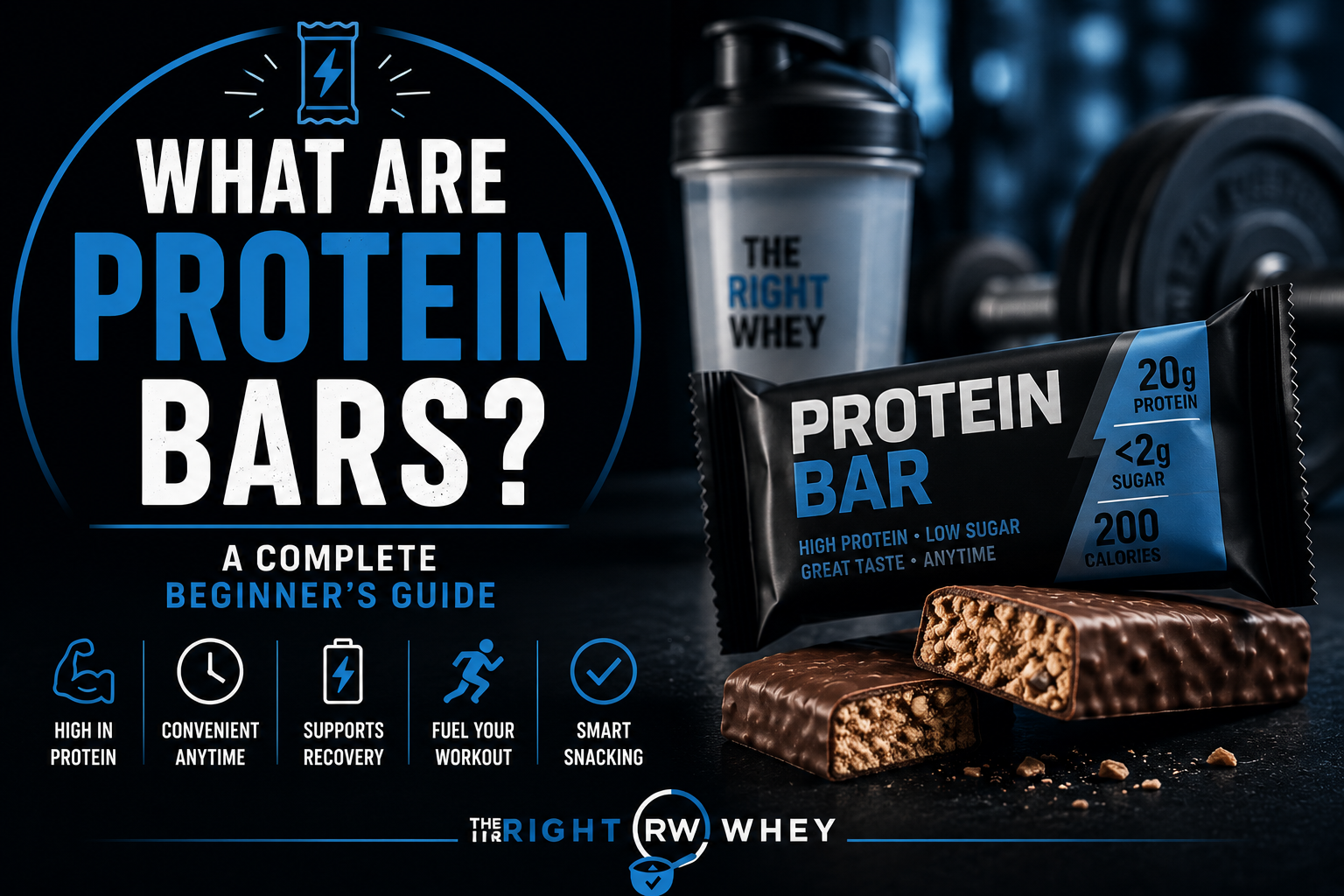
What Are Protein Bars? A Complete Beginner’s Guide
Walk into any supermarket, gym, or supplement store and you’ll find shelves packed with protein bars promising everything from muscle growth to healthy snacking.
But what exactly are protein bars, who should eat them, and are they actually healthy?
The truth is that protein bars can be an incredibly convenient way to increase your daily protein intake, but not all protein bars are created equal.
In this complete beginner’s guide, we’ll explain what protein bars are, how they work, when to eat them, and how to choose the best option for your fitness goals.
What Is a Protein Bar?
A protein bar is a convenient snack that has been specially formulated to contain more protein than a standard chocolate or cereal bar. Most protein bars are designed to help people:
- Increase their daily protein intake
- Support muscle recovery
- Stay fuller for longer
- Enjoy a quick snack between meals
- Refuel after exercise
Unlike traditional snack bars, protein bars typically contain between 15g and 25g of protein per serving.
What Are Protein Bars Made From?
Although every brand has its own recipe, most protein bars contain a combination of:
- Whey protein
- Milk protein
- Soy protein
- Pea protein (plant-based bars)
- Oats
- Nuts
- Fibre
- Sweeteners
- Chocolate coatings or flavourings
Some bars are designed to be low in sugar, while others prioritise taste or higher calorie content.
Why Is Protein Important?
Protein is one of the three essential macronutrients your body needs. It plays an important role in:
- Building muscle
- Repairing tissue
- Supporting recovery
- Producing hormones and enzymes
- Maintaining healthy bones, skin and hair
Many people struggle to consume enough protein throughout the day, which is where protein bars can be useful.
When Should You Eat a Protein Bar?
One of the biggest advantages of protein bars is their convenience. Unlike cooking a meal or mixing a protein shake, they’re ready to eat wherever you are.
After a Workout
One of the most popular times to eat a protein bar is after training. Following resistance exercise, your muscles need amino acids to begin the recovery process. A protein bar can provide a convenient source of protein if you don’t have access to a full meal.
Between Meals
Protein bars make excellent high-protein snacks. Compared with biscuits, crisps or chocolate bars, they usually contain more protein and may help keep you feeling full for longer. This makes them useful during busy workdays or when travelling.
Before Exercise
Some people enjoy eating a protein bar around 60–90 minutes before training, especially if they haven’t eaten for several hours. Choose a bar that also contains carbohydrates if you need additional energy before your workout.
While Travelling
Protein bars are ideal when you’re at the airport, on a long drive, hiking, camping, or working long shifts. They don’t require refrigeration and can easily be carried in a gym bag or backpack.
As a Healthy Snack
If you’re trying to replace high-sugar snacks, a quality protein bar can be a much better alternative. However, remember that they’re still a processed food and should complement — not replace — a balanced diet.
Are Protein Bars Healthy?
The answer depends on the product. Some protein bars contain high-quality protein, fibre, healthy fats, and moderate calories. Others contain large amounts of sugar, high levels of saturated fat, artificial ingredients, and more calories than a chocolate bar.
Always read the nutrition label before buying.
What Makes a Good Protein Bar?
When comparing products, look for the following:
| Factor | What to Look For |
|---|---|
| Protein Content | Aim for 15–25g per bar |
| Sugar | Less than 5g is ideal |
| Calories | 150–350 calories depending on your goals |
| Fibre | At least 5g to support digestion and fullness |
| Protein Source | Whey isolate, milk protein, soy, or pea protein |
Can Protein Bars Help Build Muscle?
Not on their own. Muscle growth comes from progressive resistance training, eating enough protein, consuming sufficient calories, and recovering properly. Protein bars simply provide an easy way to increase protein intake.
Can Protein Bars Help With Weight Loss?
They can. Protein is known to be more filling than carbohydrates or fat. Replacing a high-calorie snack with a balanced protein bar may help reduce hunger and support calorie control. However, eating multiple protein bars every day can quickly increase calorie intake.
Protein Bars vs Protein Shakes
Many people wonder which is better. Here’s how they compare:
| Factor | Protein Bars | Protein Shakes |
|---|---|---|
| Convenience | No preparation needed | Requires mixing |
| Portability | Excellent | Less convenient away from home |
| Protein Content | Usually less per serving | More protein per serving |
| Calories | Usually higher | Usually lower |
| Value | Usually more expensive | Better value |
Neither is better — they simply serve different purposes.
Who Should Eat Protein Bars?
Protein bars can be useful for:
- Gym-goers
- Athletes
- Busy professionals
- Students
- Travellers
- Hikers
- Anyone struggling to meet their daily protein target
Who Might Not Need Them?
If you’re already consuming enough protein from whole foods, protein bars aren’t essential. Foods such as chicken, eggs, Greek yoghurt, cottage cheese, and fish provide excellent sources of protein along with additional vitamins and minerals.
Common Myths About Protein Bars
Myth: Protein Bars Are Meal Replacements
Most protein bars are snacks — not complete meals. Unless specifically marketed as a meal replacement, they shouldn’t replace balanced meals regularly.
Myth: More Protein Is Always Better
Your body only requires a certain amount of protein each day. Eating excessive amounts won’t automatically build more muscle.
Myth: All Protein Bars Are Healthy
Not true. Some protein bars contain almost as much sugar and fat as regular chocolate bars. Always compare ingredients before buying.
How To Choose the Best Protein Bar
When comparing products, consider:
- Protein per bar
- Calories
- Sugar content
- Fibre
- Protein source
- Taste
- Value for money
- Cost per gram of protein
Looking beyond the price tag often reveals which bar offers the best overall value.
Frequently Asked Questions
Should I eat a protein bar every day?
You can, provided it fits within your overall calorie and protein goals.
Can I eat a protein bar before bed?
Yes. A protein bar can be a convenient evening snack, particularly if you’re trying to increase your daily protein intake.
Can protein bars replace meals?
Generally, no. Whole-food meals provide a broader range of nutrients and should form the foundation of your diet.
Are protein bars suitable for beginners?
Absolutely. Protein bars are simply a convenient source of dietary protein and can be used by people of all fitness levels.
Final Verdict
Protein bars are a convenient, portable way to increase your daily protein intake and support an active lifestyle. They’re particularly useful after workouts, between meals, or when you’re short on time.
However, they’re best viewed as a supplement to a balanced diet rather than a replacement for whole foods. When choosing a protein bar, focus on protein content, sugar levels, calories, and overall value — not just the marketing on the front of the wrapper.
At The Right Whey, we compare protein bars from leading UK brands to help you find the best products at the best prices.
Compare Protein Bars at The Right Whey →